Discover ↓
(001)
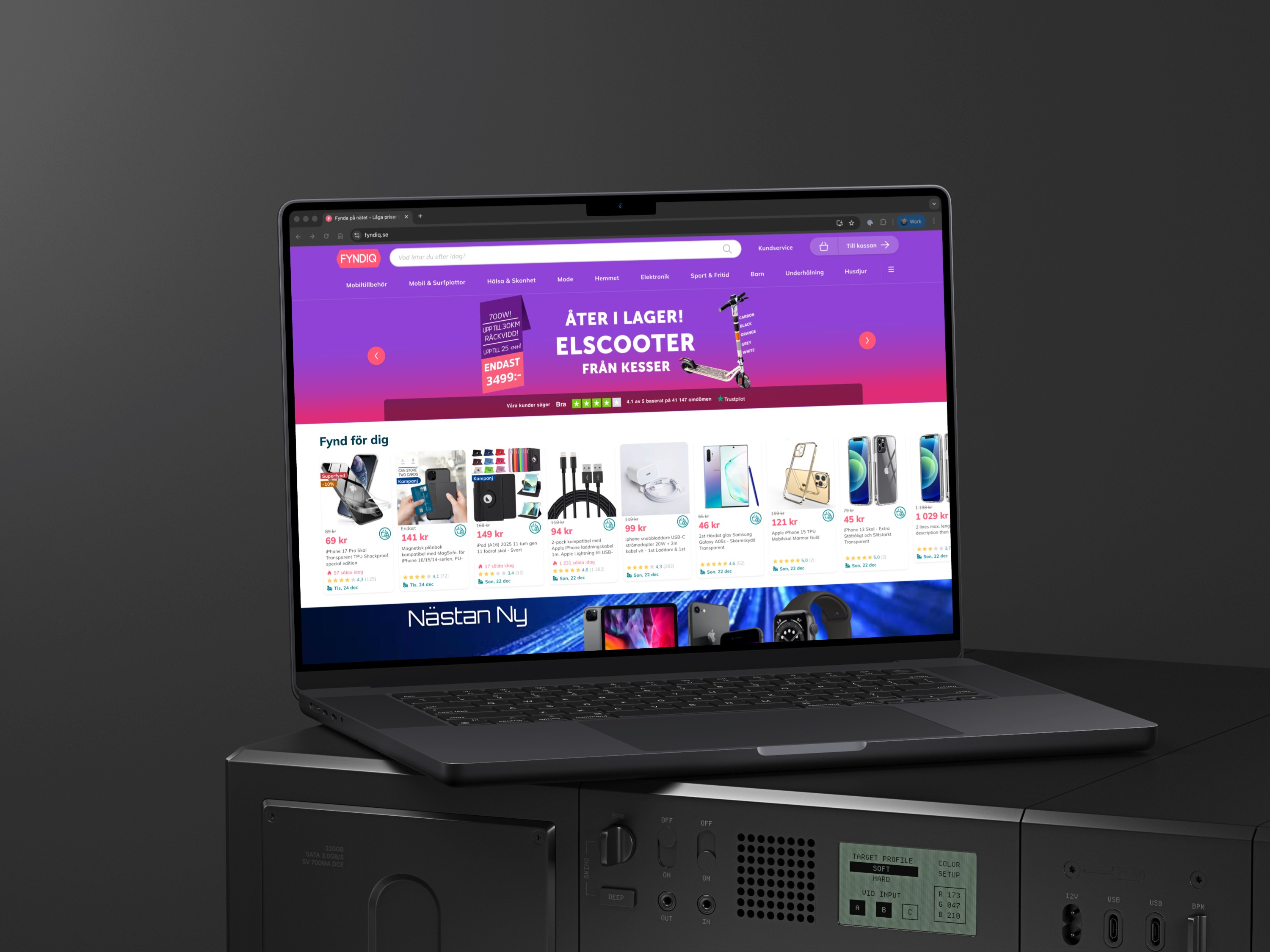
I joined as the first in-house product designer, with the opportunity to champion the importance of building a structured design function within the company. Together with a junior designer and a senior frontend developer, I created SemlaDS, a design system tailored specifically for e-commerce. I also led multiple initiatives across conversion optimization, usability testing, UX research, and UI/frontend integration.
Project
Fyndiq®
Year
(2020-2023)
Areas of work
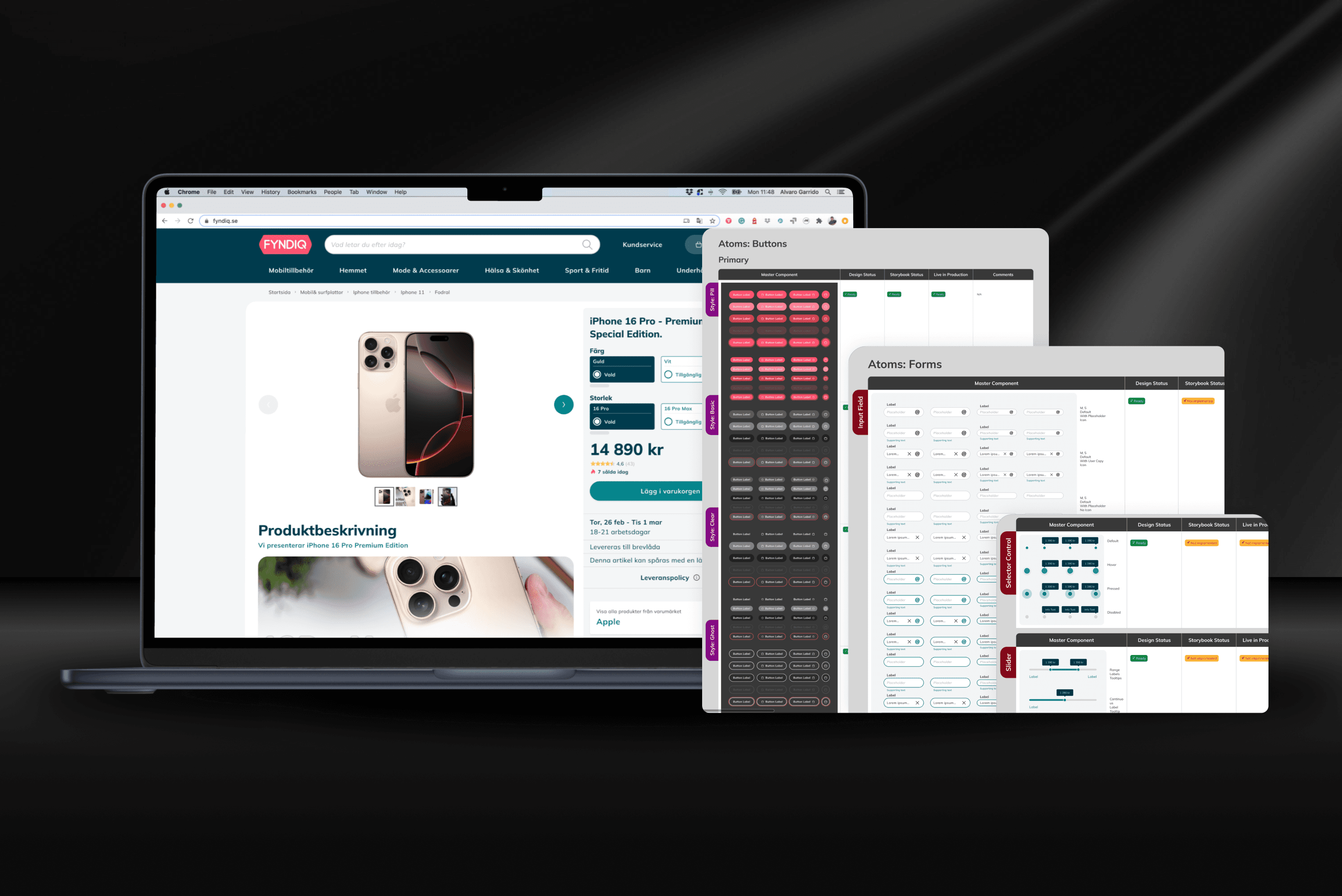
SemlaDS is a robust and comprehensive design system seamlessly integrated with the front-end team’s workflow. It features a meticulously crafted Figma library paired with a Storybook site, both working in perfect harmony as a synchronized single source of truth. This integration ensures consistency across designs and code, streamlining collaboration between designers and developers while enabling faster, more reliable product development.
Time to production per story point increased by 2x for the new version of Fyndiq based on SemlaDS.
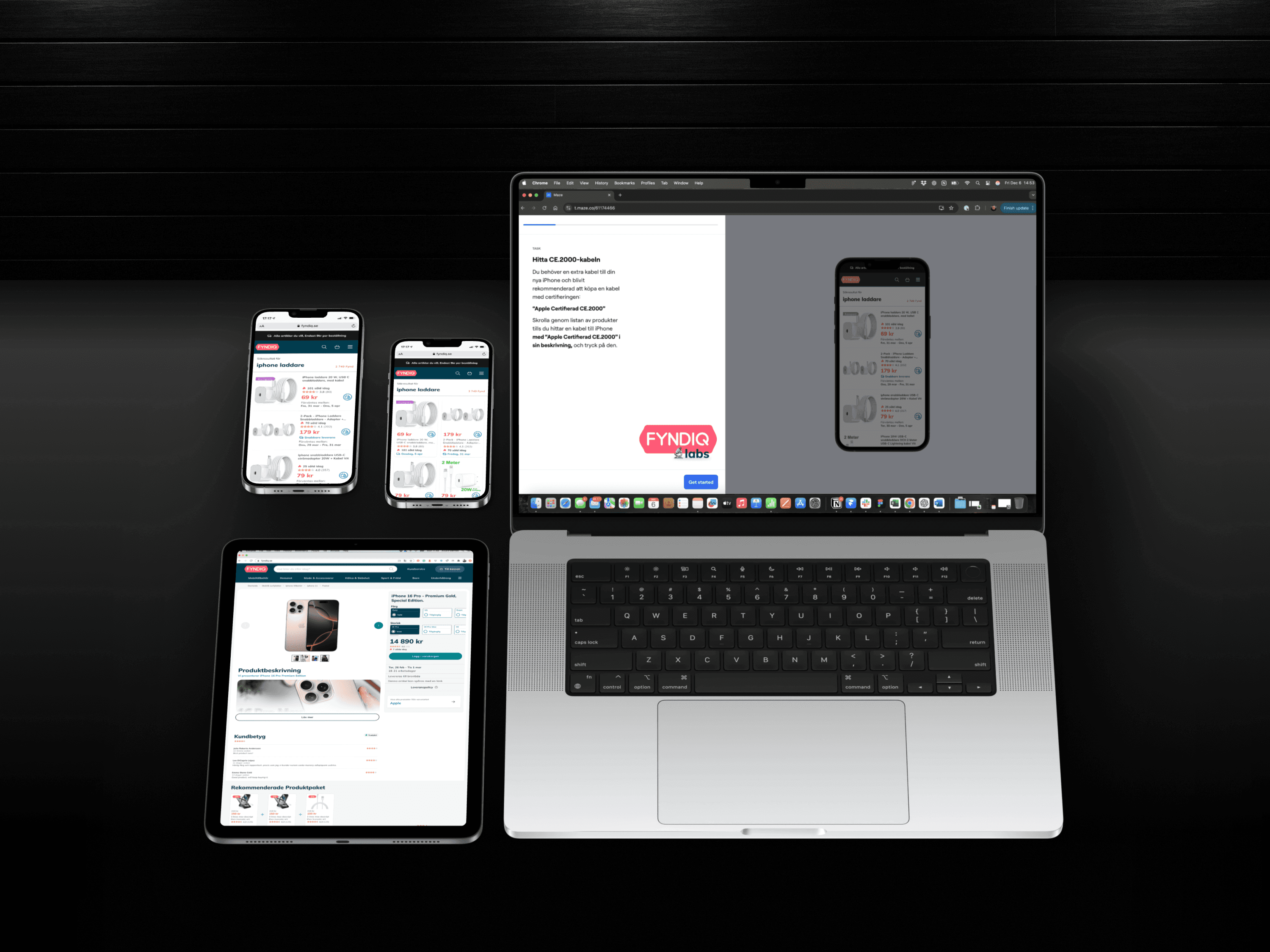
At Fyndiq, I led the usability testing initiative, leveraging Maze and Figma prototypes to test ideas quickly before writing a single line of code. By analyzing user behavior across search results, organic browsing, and acquired traffic, we optimized product card layouts to enhance usability and align with business goals.
System Usability Scale measured before and after product cards implementation, SUS score increased from 54 to 73.
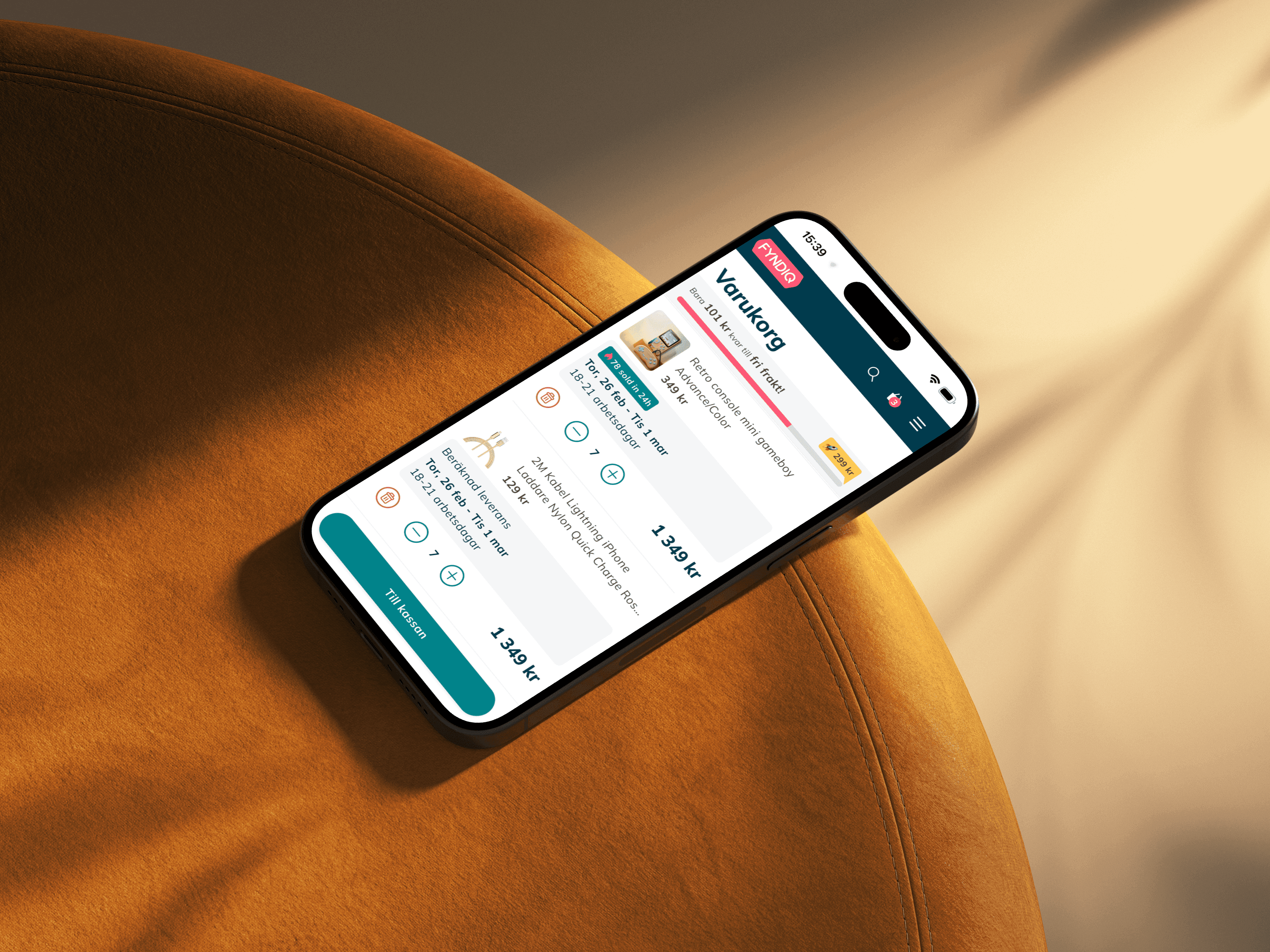
While refining Fyndiq’s checkout flow, we had the opportunity to iterate on the cart design and explore various approaches. These included a streamlined, minified version, a full-page layout, and a gamified version that encouraged customers to unlock free delivery, among others. The process involved not only designing and prototyping these variations but also testing them extensively with the development team, stakeholders, and, most importantly, real customers. This collaborative and data-driven approach ensured that each iteration addressed user needs, business goals, and technical feasibility, ultimately enhancing the overall checkout experience.
Time spent on Checkout decreased by 22%
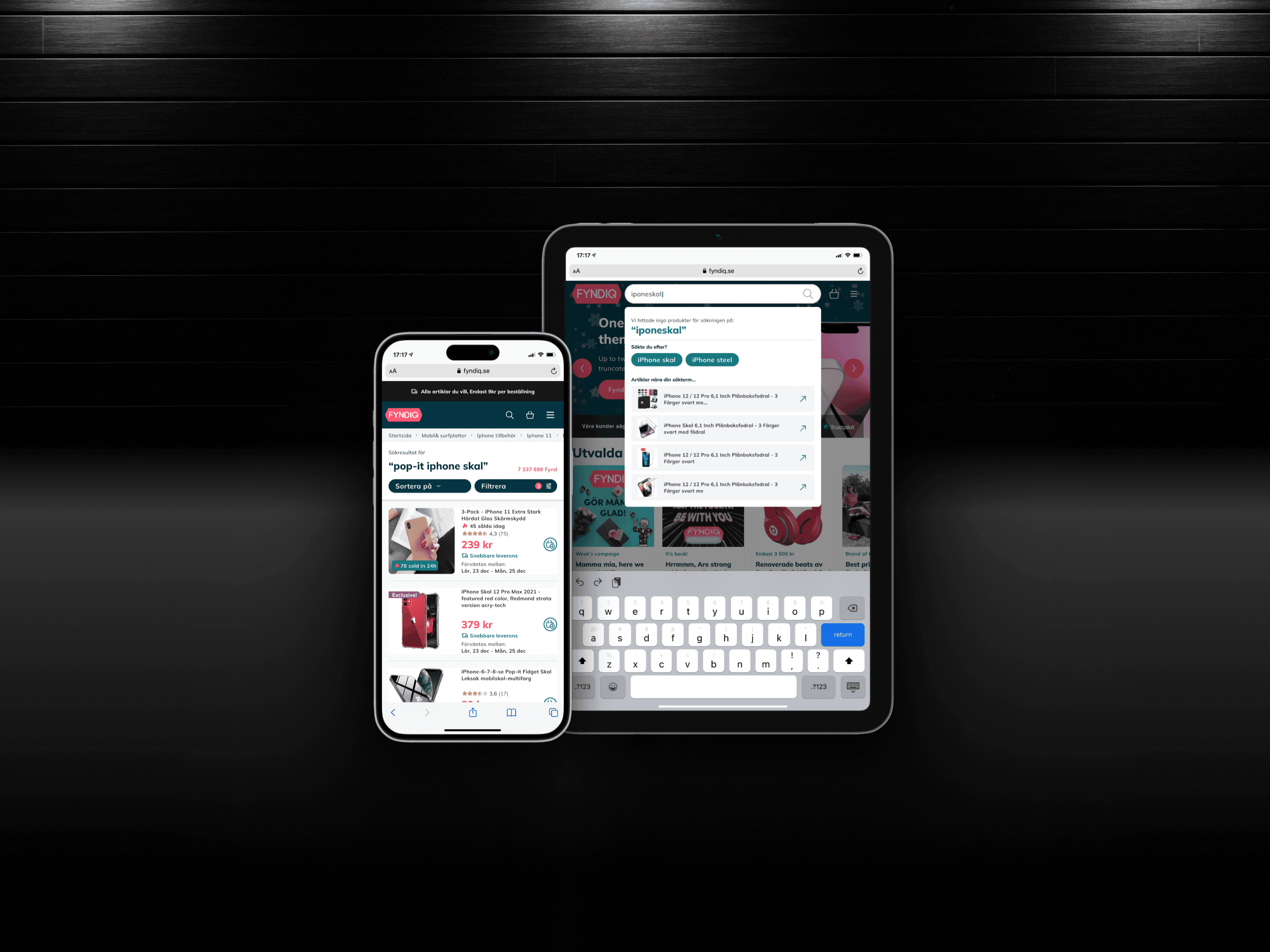
One of the most engaging and challenging projects I had the privilege to lead was “Search 2.0,” where we focused on designing for our “Discoverer” user persona. In this project, I personally crafted every interaction and scenario, starting from the initial tap or click on the main search field, through the search results listing page, filters, sorting options, and ultimately arriving at the Product Detail Page (PDP). The design process was meticulously tailored for a responsive web experience, accommodating mobile devices starting at 360px width and scaling seamlessly to desktop devices up to 1440px wide. This project demanded a deep understanding of user behavior and attention to detail to ensure a cohesive and intuitive search journey across devices.
"Discovery" time spent on listings until reaching PDPs decreased on 50%
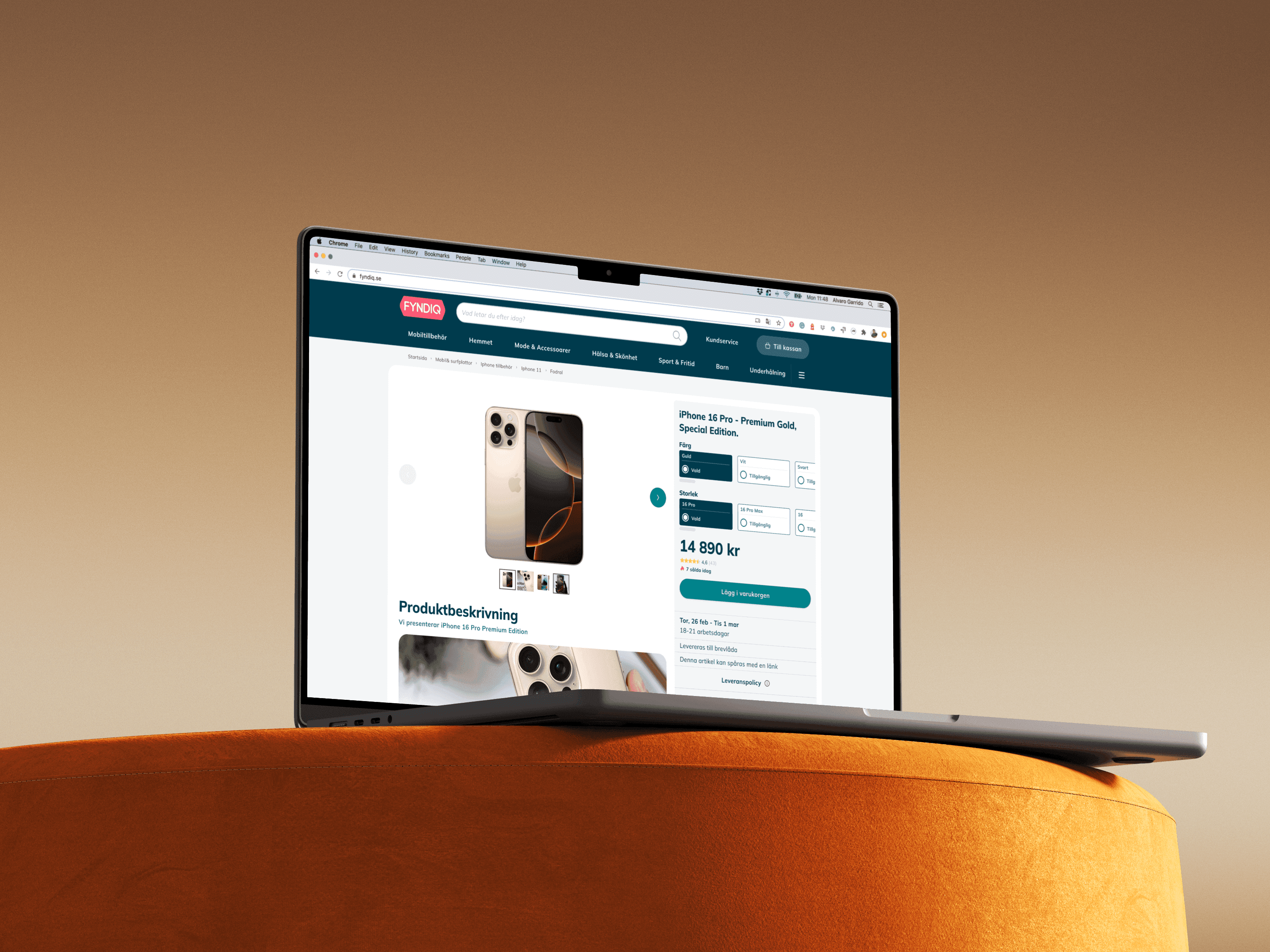
If you’re familiar with e-commerce, you know that the Product Detail Page (PDP) is often where customers are emotionally closest to making a purchase decision. I had the privilege of leading the redesign of Fyndiq’s PDP, working alongside two talented designers who focused on prototyping and iterating on the final versions. My role involved designing every core component used as “Lego blocks” for their tests, ensuring consistency and flexibility. These components included buttons, ratings, variation selectors, main images, thumbnails, description blocks, and more—each thoughtfully crafted to enhance the customer’s decision-making journey.
Time to add to cart (From PDPs) decreased 10% on average.
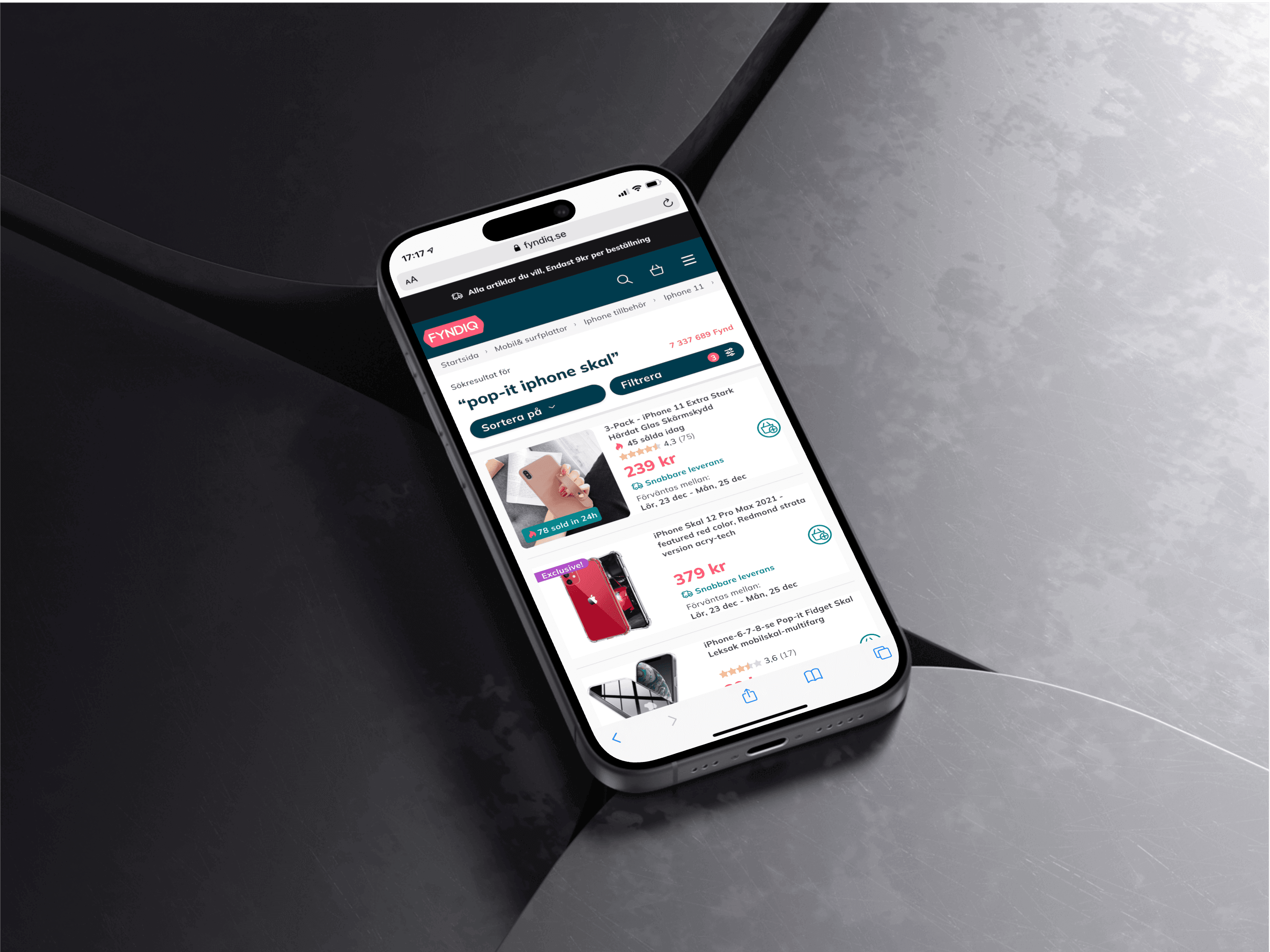
Here is the final version featuring landscape product cards for the search results listing page, developed as part of the broader “Search 2.0” project. This design was the result of extensive iteration and testing, balancing user needs with business goals to create a seamless and visually appealing experience. The landscape card layout was carefully chosen to optimize information hierarchy, improve scannability, and provide a consistent user experience across devices. Every detail, from the card’s content placement to its responsiveness, was refined to ensure it aligned with the “Discoverer” user persona’s behavior and preferences.
During usability testing, landscape cards scored higher than portrait cards in both scannability and ease of comparison. However, portrait cards were consistently preferred by most teenagers and young adults. Based on this, the final decision was to use portrait cards.
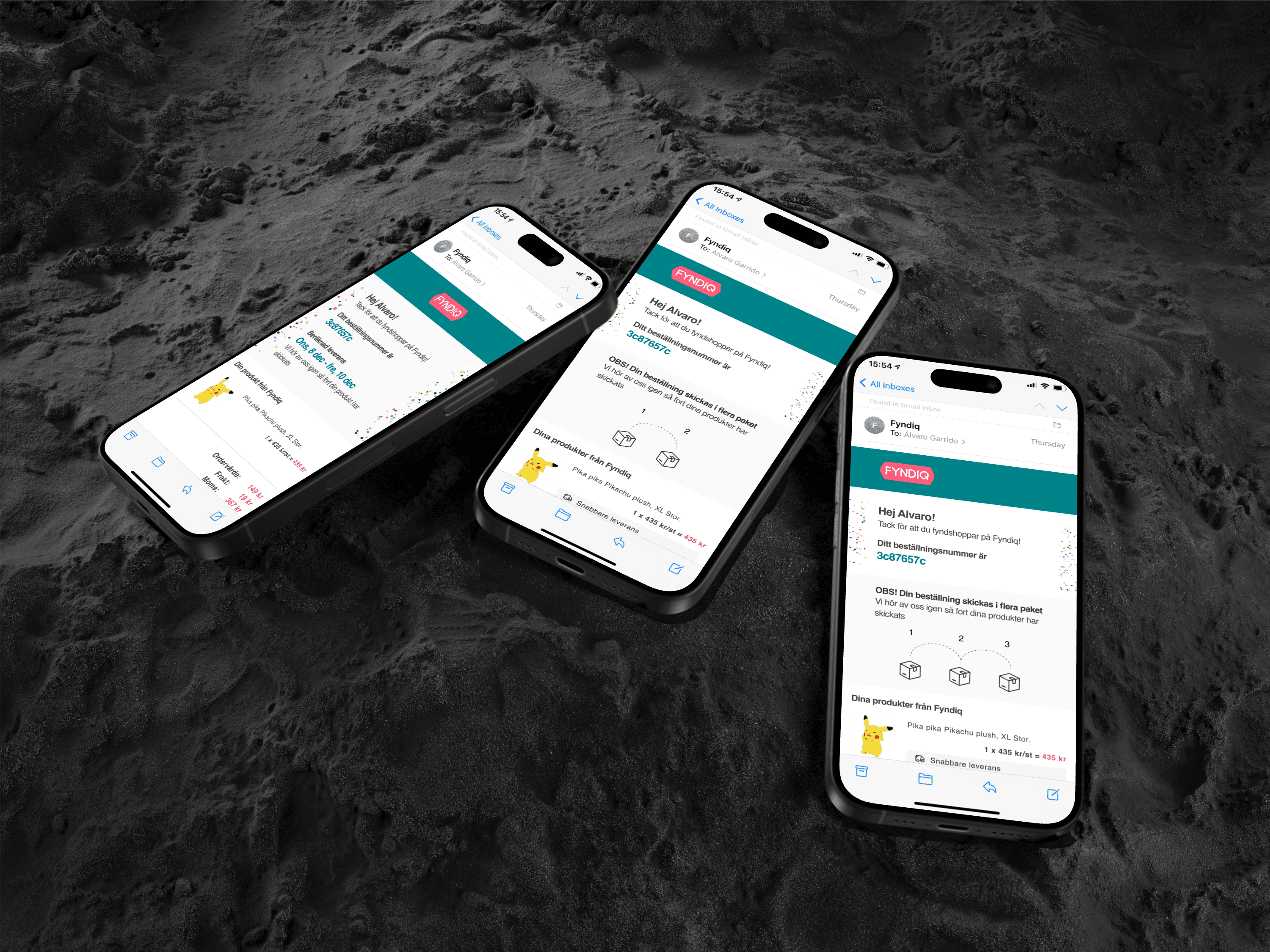
This is the second iteration of the order confirmation email that all Fyndiq customers receive after making a purchase on the marketplace. In this version, we thoughtfully designed multiple variations of the email to account for different scenarios, such as the number of deliveries automatically calculated based on how many merchants the customer purchased from in a single order. This project was a collaborative effort with a junior designer on the team, we ensured every detail was carefully crafted to deliver clear, effective communication and an enhanced customer experience, regardless of the complexity of their purchase.
Customer support tickets for missing orders decreased around 600%
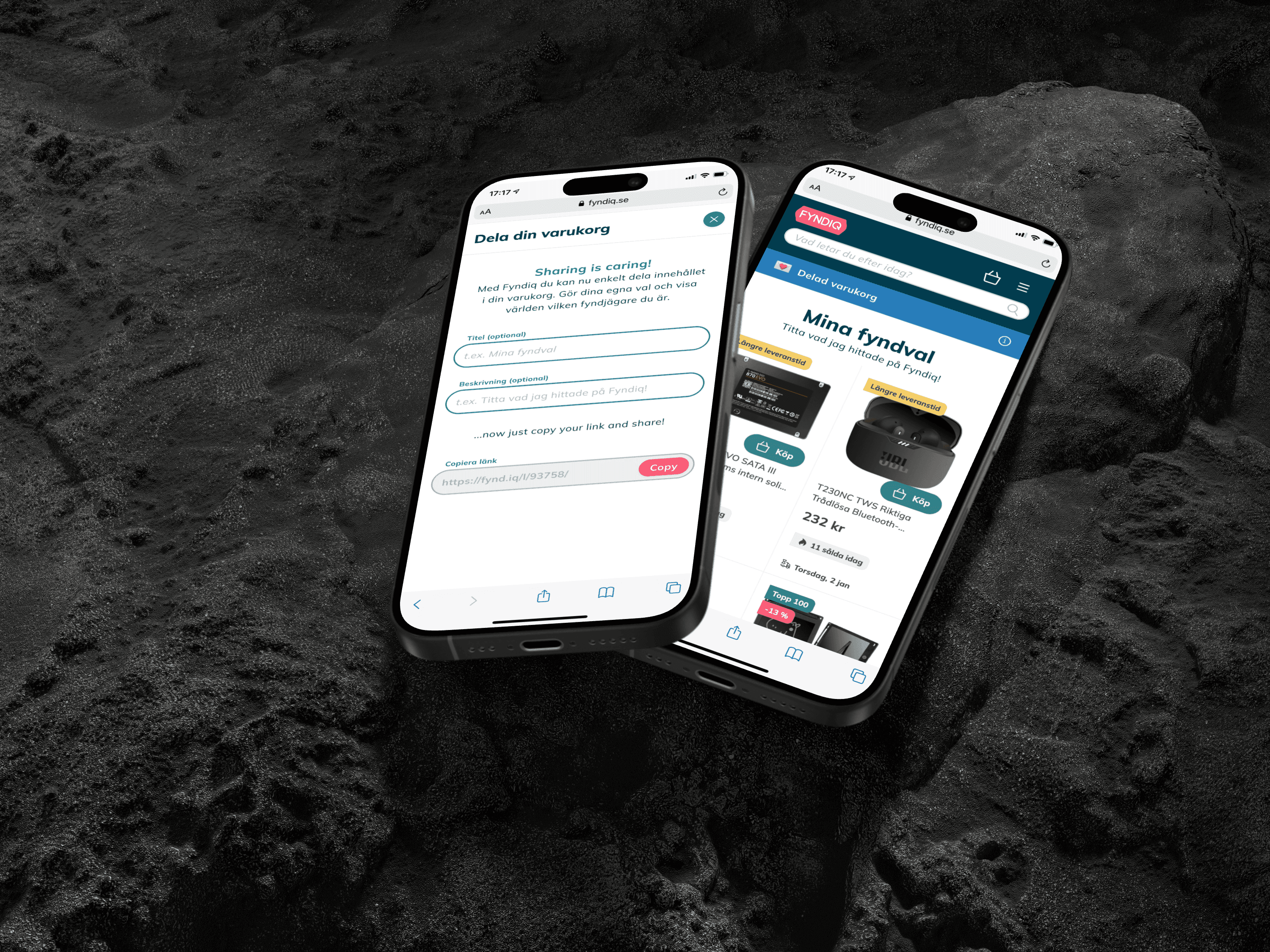
“Share Your Cart!” was a project born out of an in-house hackathon, where a talented front-end developer quickly brought the concept to life, having the core functionality coded within a few hours. Building on this brilliant idea, we collaborated to refine and complete the feature, transforming it into a valuable tool that significantly boosted platform traffic and attracted new customers organically. This initiative showcased the power of teamwork and innovation, turning a simple hackathon concept into a game-changing addition to our platform.